

10 UK Countryside Railway Journeys Worth Taking in Autumn
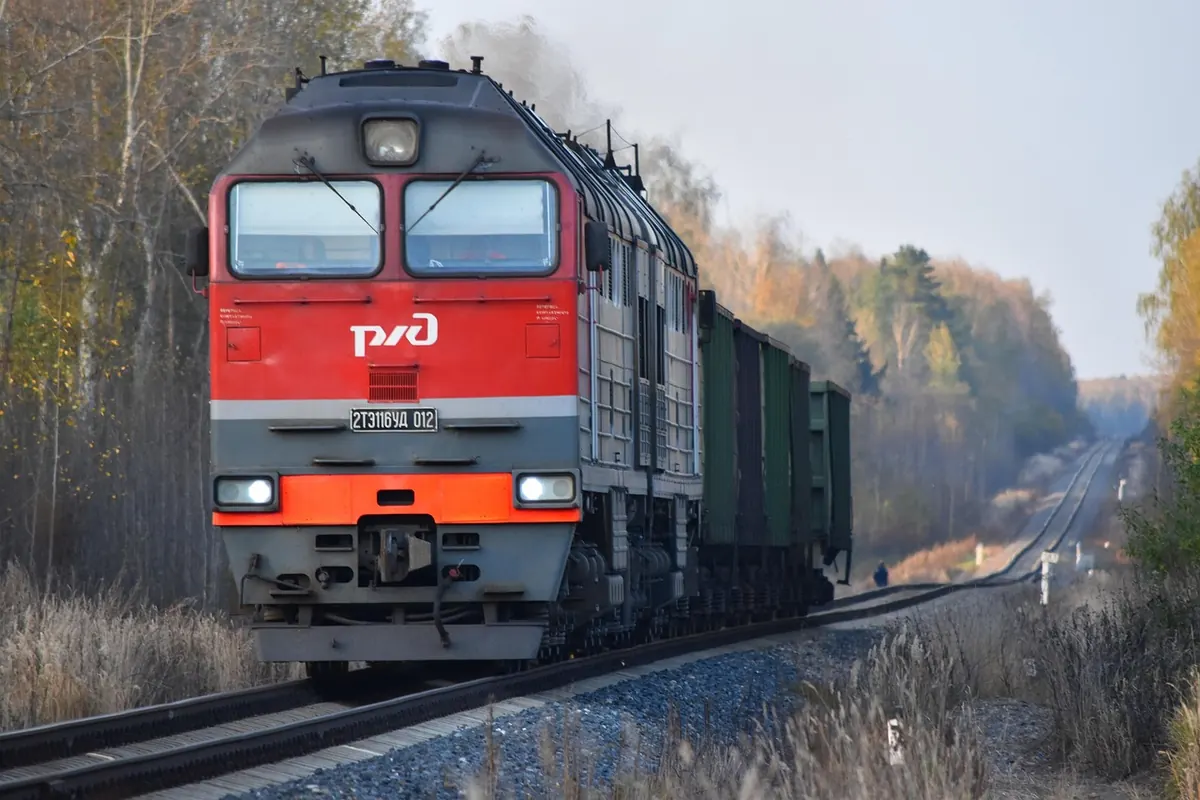
Autumn does something useful to Britain's railways. The daylight softens, the carriages empty out, and the landscape — beech woods, estuary mud, moorland bracken — puts on its last good show of the year. No holiday required. A rucksack, a flask and a well-timed train will do.
What follows are ten lines worth building a day around: what you'll see, where to sit, and where to get off for a walk. Plus the practical bits that separate a good trip from an afternoon spent standing by a vestibule door.
The Settle–Carlisle line, Yorkshire and Cumbria
The finest ordinary-service railway in England, and in October the limestone shows white against bronze bracken. From Settle the train climbs past scars and sheep folds, threads Blea Moor, crosses the twenty-four arches of Ribblehead Viaduct, then drops into Dent — the highest station on the mainline network — before the Eden Valley and Carlisle.
Sit on the left heading north, where Whernside and the long approach to the viaduct unfold. Get off at Ribblehead for the easy mile to the viaduct, or at Dent for the four-mile walk down into the village — steep, no pavement, and a climb back. Horton-in-Ribblesdale is the stop for Pen-y-ghent, but that's a proper hill day, not a stroll.
Northern runs the service and there are no reservations, so pick a quieter train if you want a window. Steam charters run on selected autumn weekends and sell out early.
Moors and coast: the North Yorkshire Moors and Esk Valley lines
The North Yorkshire Moors Railway runs steam from Pickering to Grosmont and, on some services, through to Whitby: eighteen miles of oak woods, heather and a steep descent to the sea. Goathland, whose station has done time on screen, is the stop for a short walk to Mallyan Spout. Book ahead in half-term week.
The Esk Valley line — the ordinary Northern service from Middlesbrough to Whitby — is the quieter, cheaper alternative. It follows the river through Danby and Grosmont, and the oaks turn just as the light starts coming in low over the last climb to the coast.
Wales: Cambrian Coast, Heart of Wales and the Welsh Highland
Cambrian Coast line. From Machynlleth the railway clings to the shore through Aberdovey and Tywyn to Barmouth, where a long wooden viaduct crosses the Mawddach estuary — one of the great railway views in Britain. Carry on to Harlech for the castle, then Pwllheli. Sit on the seaward side, which is the left as you head south towards Barmouth. This line takes the brunt of winter storms, so after a gale check before travelling.
Heart of Wales line. Shrewsbury to Swansea: 121 miles, around four hours, four or five trains a day and hardly anyone aboard. It crosses Cynghordy Viaduct and threads the Tywi and Irfon valleys, with request stops at villages whose names you'll want to read aloud. Llandeilo is the stop for Dinefwr and its deer park; Llandovery for the castle and a cup of tea. Take food, and don't miss the last train.
Ffestiniog and Welsh Highland railways. Narrow gauge from Porthmadog: forty minutes up to the slate town of Blaenau Ffestiniog, or a couple of hours through Beddgelert and the Aberglaslyn Pass to Caernarfon. The Glaslyn valley is the reason to go. Book ahead, and pack waterproofs — Blaenau is one of the wettest towns in Wales.
Scotland: West Highland, Kyle and Far North lines
The West Highland line from Glasgow Queen Street to Fort William and Mallaig is the one people mean when they call a railway journey the best in the world. Loch Lomond, the emptiness of Rannoch Moor, Corrour — the highest station in the UK, with no road to it — then Glenfinnan Viaduct and the run down to the sea. Sit on the left out of Glasgow for Loch Lomond and the Glenfinnan stretch. The Jacobite steam service usually runs into late October, so check the season dates before planning around it. Get off at Corrour for the walk to Loch Ossian, or stay on to Mallaig for the Skye ferry.
The Kyle line from Inverness is its underrated cousin: a slow crossing of the moor to the Kyle of Lochalsh, birch and rowan turning gold, and a long descent to the water at the end. Break the trip at Plockton, where the station sits above a village of white cottages and cabbage palms.
Further north, the Far North line crosses the Dornoch Firth and the Flow Country to Thurso and Wick. Forsinard has an RSPB reserve beside the platform. By late October it's dark soon after five up there, so plan the day tightly.
The South West: quiet Devon and Cornwall branches
The South West's branch lines are short, cheap and almost entirely overlooked. The Tamar Valley line from Plymouth to Gunnislake takes about forty minutes through woods and over Calstock's viaduct, with a walk from Calstock to Cotehele. The Looe Valley line drops from Liskeard through a wooded valley to the harbour in half an hour. The St Ives Bay line from St Erth runs along the sea wall at Carbis Bay with the low sun straight across the water, and the Dartmouth Steam Railway follows the Dart from Paignton to Kingswear, where the ferry finishes the job. These are half-day trips, which makes them ideal if you'd rather not spend the afternoon watching the clock.
Tickets, seats and stop-offs: the practical bit
A little planning goes a long way on rural lines, where the first train can be early and the last one earlier than you'd like.
Tickets
- Advance singles are cheapest for a fixed train, but they normally don't allow a break of journey. If you want to get off and walk halfway, buy an Off-Peak fare instead.
- Split ticketing is legitimate and often cheaper. The train must call at the station where one ticket ends and the next begins.
- Railcards cover most ages and circumstances, including a Two Together card for two named adults travelling as a pair. Check eligibility before buying; most pay for themselves within a couple of trips.
- Ranger and rover tickets give unlimited travel in a defined area for a day or a weekend. Worth checking for the Dales, mid-Wales and the Highlands if you're doing several legs.
Choosing a seat
Book a window and sit facing forward if you can. The reliable rules on these lines: left heading north on the Settle–Carlisle, left out of Glasgow on the West Highland, seaward side on the Cambrian Coast. Avoid the seats nearest the toilet if you want quiet — and remember that on a two-carriage rural train a seat reservation often means very little.
Walks, weather and daylight
- Check the timetable before you choose a walk. On the Heart of Wales, the Esk Valley and the Far North there may be only a handful of trains a day.
- Work backwards from sunset. After the clocks go back in late October it's dark before five across most of the UK, and nearer four in the far north.
- Carry a paper map or offline maps. Signal is patchy on Rannoch Moor, in mid-Wales and along the Settle–Carlisle.
- Take waterproofs and a torch even for a short walk, and check a mountain forecast if you're heading above the valley.
Finally, check for engineering works a few days before travelling, especially on Sundays, and watch for leaf-fall timetables from October, when some services run slower or are amended. Thirty seconds on the operator's website is worth an hour on a replacement bus.
Photo: Veselo / Pixabay